Office Remodeling in Frisco and Surrounding Areas: What the Process Looks Like
Office remodeling is one of the most important investments a business owner can make, especially in fast-growing areas like Frisco and surrounding North Texas cities. But for most owners, the biggest concern is not the design or the outcome—it’s the process itself. How does an office remodel actually work without shutting down your business? What happens first, second, and last? And how do experienced office remodel contractors manage everything without disrupting daily operations?
At NorthStar Commercial Interiors, we help business owners navigate this process every day. The truth is, a successful office renovation is not just about construction—it’s about planning, sequencing, and understanding how your business operates while improvements are being made. This guide breaks down the full process so you know exactly what to expect from start to finish.
Understanding Why Office Remodeling Is a Strategic Investment
Office remodeling is no longer just about updating paint or replacing flooring. In today’s business environment, your office plays a direct role in productivity, employee satisfaction, and client perception. Businesses in Frisco and nearby areas are realizing that outdated layouts often slow down operations and create unnecessary inefficiencies.
A well-designed remodel can improve workflow, support hybrid work environments, and create a stronger brand presence for clients walking through your doors. This is why many companies are searching for an office renovation contractor who understands not just construction, but business functionality. The goal is not just to make a space look better, but to make it work better.
Step 1: Initial Consultation and Understanding Your Business Needs
Every office remodel begins with a conversation, not construction. During the initial consultation, the contractor focuses on understanding how your business operates on a daily basis. This includes how your employees interact, how clients move through the space, and what challenges you currently face with your layout.
A professional office remodeling contractor near me will ask detailed questions about your workflow, departments, privacy needs, and future growth plans. This stage is important because it sets the foundation for everything that follows. Without understanding your operations, even the best design can fail to support your business.
Step 2: On-Site Evaluation and Existing Space Assessment
After the consultation, the next step is a full walkthrough of your current office space. This is where the contractor evaluates the physical conditions of the building. Electrical systems, HVAC performance, plumbing layout, ceiling height, and wall structures are all carefully reviewed.
This step often reveals issues that business owners were not aware of, such as outdated wiring, inefficient air distribution, or structural limitations that impact redesign options. A skilled office remodel contractor uses this stage to identify both opportunities and limitations so the design can be realistic and cost-effective.
Step 3: Space Planning and Office Layout Design
Once the evaluation is complete, the design phase begins. This is where your office starts transforming from concept to plan. The focus here is not just aesthetics, but functionality. The goal is to design a space that supports your team’s daily work while also improving client experience.
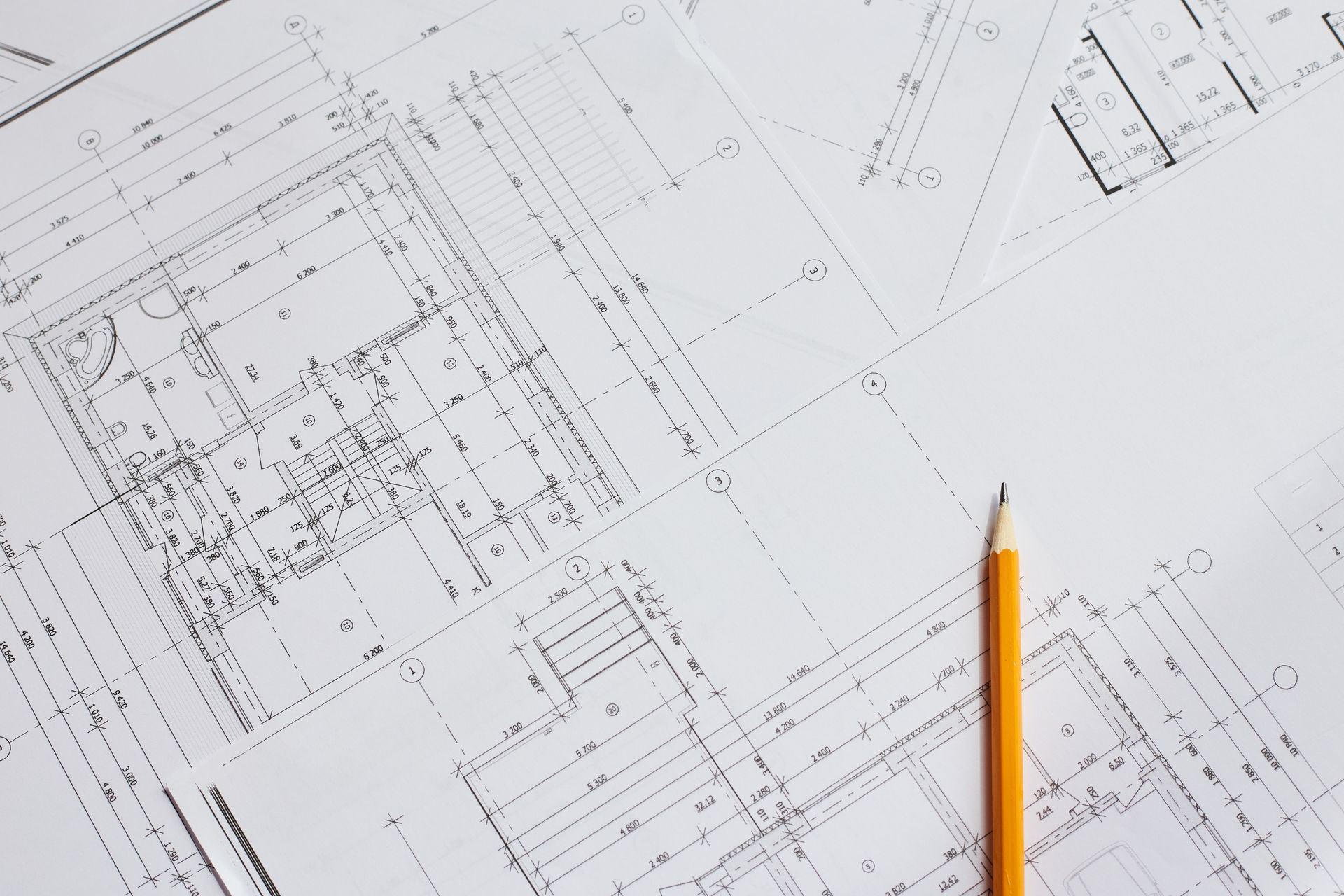
In this stage, layouts are created that define office placement, meeting rooms, open work areas, reception zones, and storage spaces. Many modern offices in Frisco are shifting toward flexible layouts that support hybrid work environments. A good office renovation contractor ensures that the design supports both current operations and future growth.
Step 4: Budget Planning and Project Scope Definition
After the design is approved, the contractor develops a detailed project scope and budget. This includes labor, materials, permits, mechanical upgrades, finishes, and timeline expectations. Transparency at this stage is critical because office remodeling costs can vary depending on existing conditions and design complexity.
Experienced office remodeling contractors near me help business owners understand where money is being allocated and where adjustments can be made if needed. This step ensures there are no surprises once construction begins and helps align expectations early in the process.
Step 5: Permits, Approvals, and Compliance Requirements
Commercial office remodeling requires proper permits and inspections, especially when structural or mechanical systems are being modified. Your contractor handles this process, ensuring that all work complies with local building codes in Frisco and surrounding areas.
This includes submitting plans, coordinating with city officials, and scheduling required inspections. While this step may not be visible in the construction process, it is one of the most important stages because it ensures the project is legally compliant and safe for occupancy.
Step 6: Pre-Construction Preparation and Business Continuity Planning
Before construction begins, the space is prepared for work. This includes moving furniture, protecting unaffected areas, and setting up temporary partitions if the office will remain partially operational. In many cases, businesses choose to stay open during remodeling, which requires careful planning.
A professional office remodel contractor will coordinate work schedules around business hours, ensuring minimal disruption. This may involve early morning, evening, or weekend construction depending on your operational needs. The goal is to maintain productivity while work is underway.
Step 7: Demolition and Space Clearing
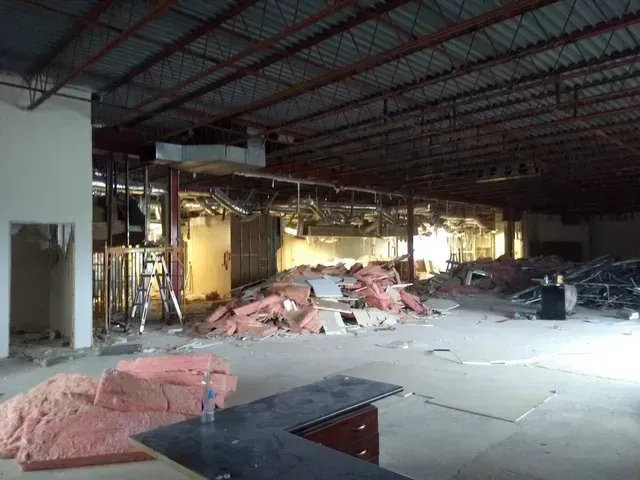
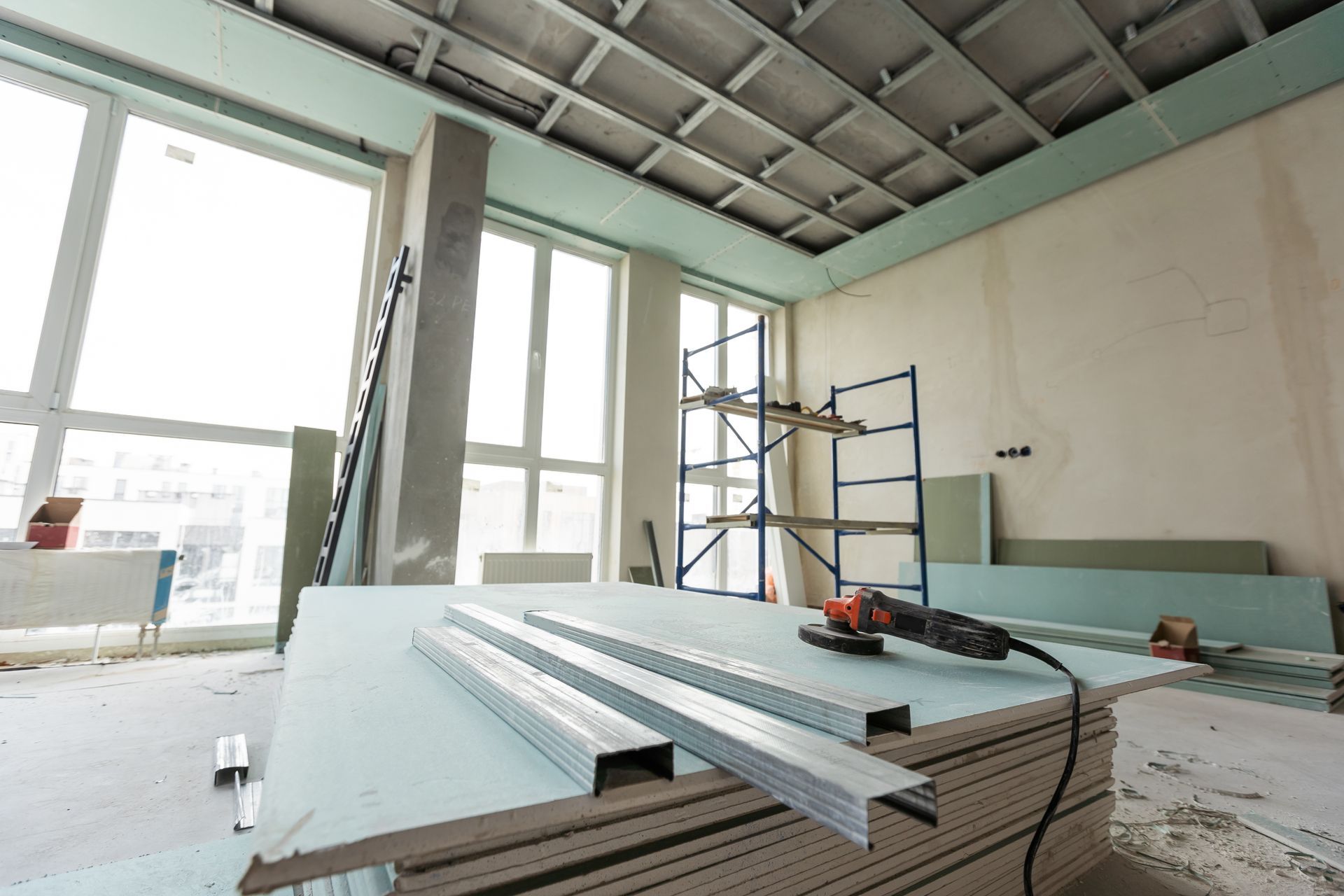
Once preparation is complete, demolition begins. This phase involves removing outdated walls, flooring, ceilings, and any structures that are part of the redesign. While this stage is often the most visually disruptive, it is also where transformation begins.
During demolition, contractors may uncover hidden conditions such as outdated electrical systems or previous modifications that were not up to code. These issues are addressed immediately to ensure the new build-out is safe and compliant.
Step 8: Mechanical, Electrical, and Plumbing (MEP) Updates
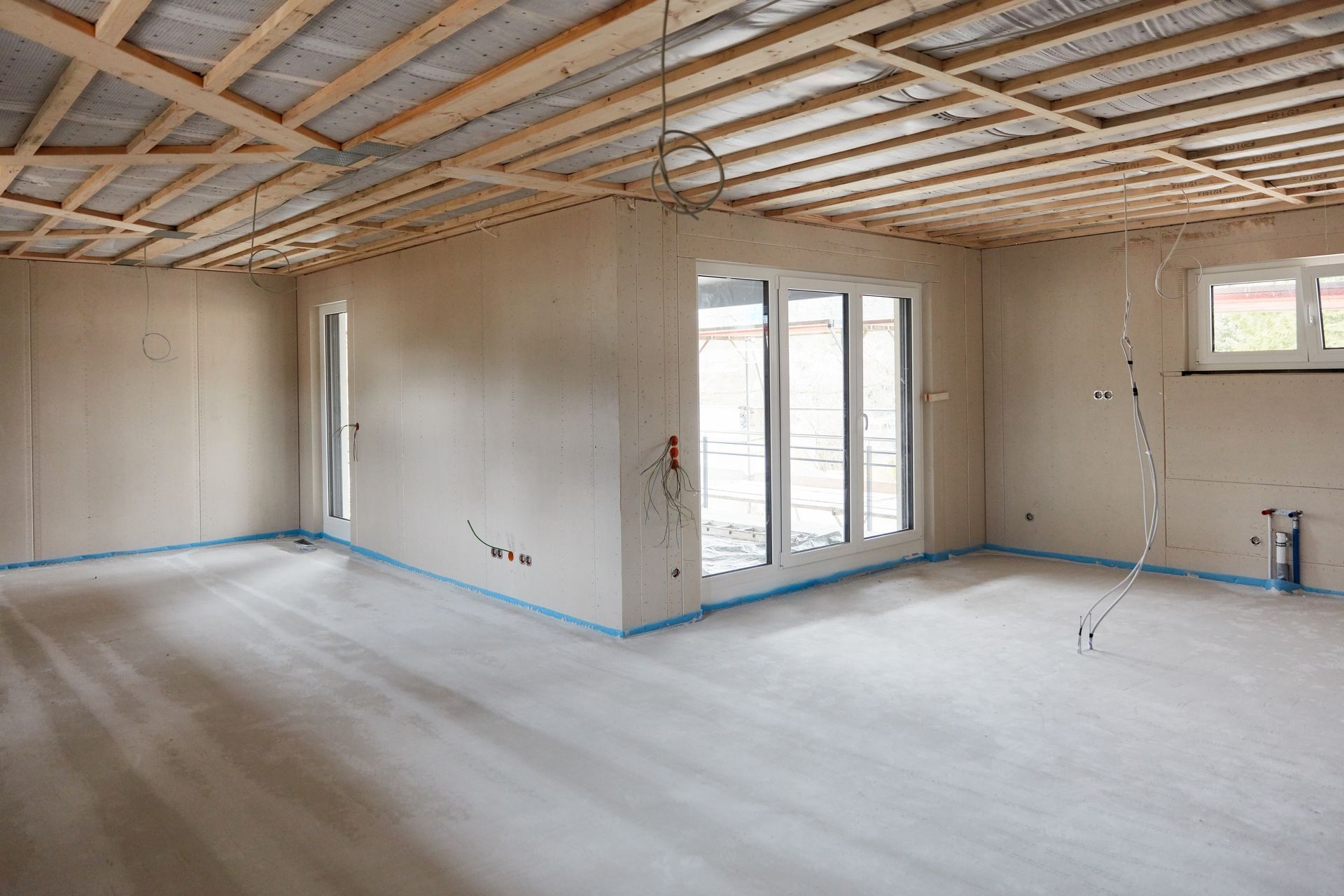
After demolition, attention shifts to the internal systems that power your office. Electrical wiring may need upgrades, HVAC systems may require rerouting, and plumbing adjustments may be necessary depending on the layout.
This stage is critical because these systems directly affect how your office functions on a daily basis. A qualified office renovation contractor ensures that all mechanical systems are properly designed to support your new layout efficiently and safely.
Step 9: Construction and Interior Build-Out
Once the infrastructure is in place, the visible construction begins. This includes framing new walls, installing drywall, painting, flooring, ceilings, and lighting. At this point, the office begins to take its final shape.
This phase requires coordination between multiple trades to ensure everything is installed in the correct order. Delays are minimized when experienced office remodel contractors manage scheduling and workflow efficiently.
Step 10: Finishing Work and Final Design Details
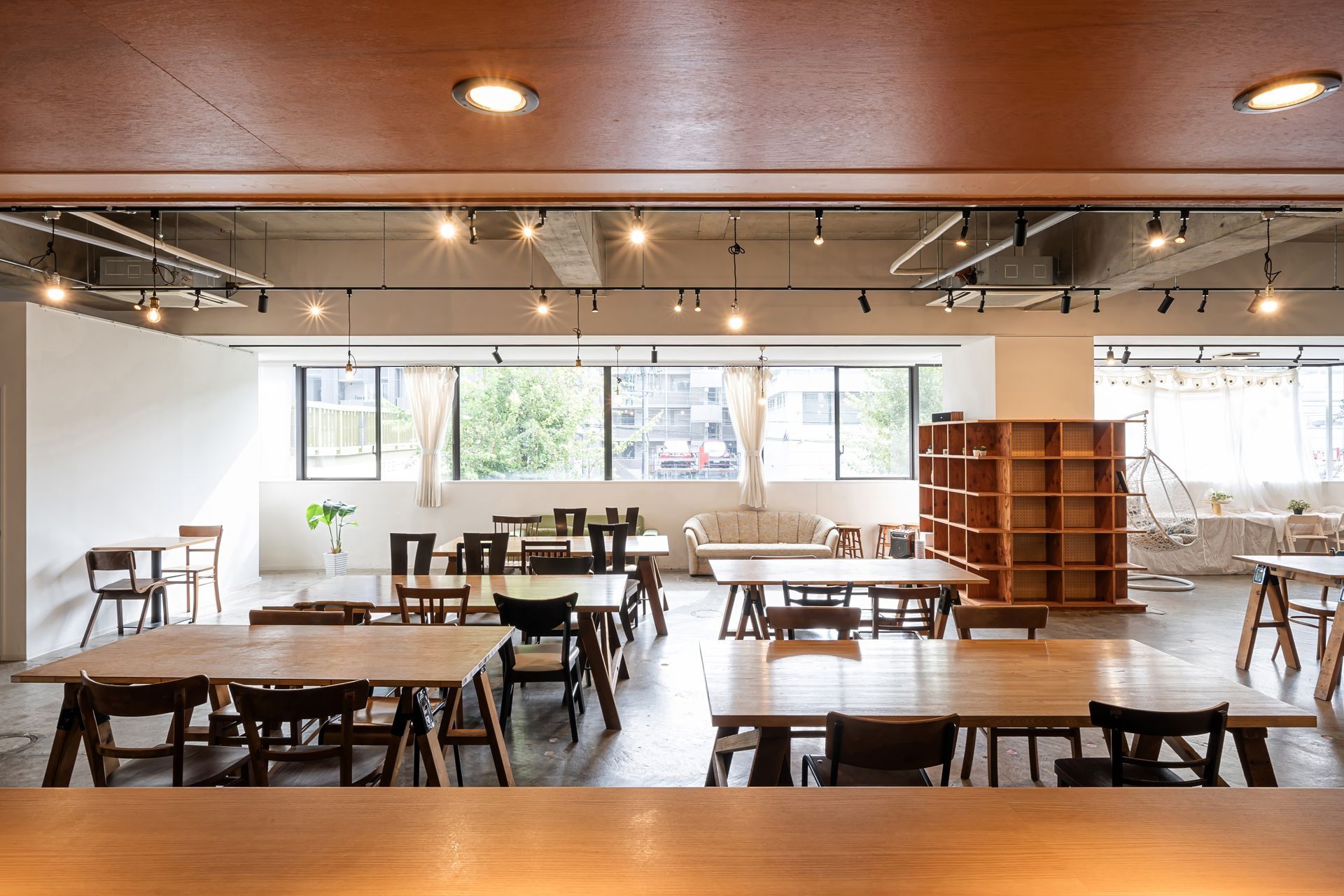
After the main construction is complete, finishing work brings the office to life. This includes installing fixtures, hardware, signage, and branding elements. Interior design details such as color schemes, lighting adjustments, and decorative finishes are finalized during this stage.
This is where the office transitions from a construction project into a functional, professional workspace that reflects your brand identity.
Step 11: Final Inspection and Project Completion
Before the project is officially completed, a final walkthrough and inspection are conducted. This ensures that all work meets code requirements, systems are functioning correctly, and the design matches the approved plans.
Any minor adjustments or touch-ups are completed before handover. Once finished, your office is ready for full use with improved functionality and updated design.
Can You Continue Operating During an Office Remodel?
Yes, many businesses in Frisco and surrounding areas continue operating during office remodeling projects. This is made possible through phased construction, careful scheduling, and separation of work zones.
A skilled office remodeling contractor near me will plan construction in a way that minimizes disruption while keeping your business functional. This approach is especially common in medical offices, professional service firms, and corporate environments.
Why Choosing the Right Office Remodeling Contractor Matters
The success of your office remodel depends heavily on the contractor you choose. Office remodeling is not just construction—it is coordination between design, business operations, and project management.
A reliable office renovation contractor ensures that your project stays on schedule, within budget, and aligned with your operational needs. More importantly, they understand how to work in occupied environments without disrupting your business.
Office remodeling in Frisco and surrounding areas is a structured process that requires careful planning, clear communication, and experienced execution. When done correctly, it can completely transform how your business operates and how clients perceive your company.
Instead of viewing it as a disruption, it should be seen as an opportunity to improve efficiency, modernize your space, and support long-term growth.
Frequently Asked Questions (FAQs)
1. How long does an office remodeling project usually take in Frisco?
The timeline depends on the size of the office and the scope of work. Small office remodels may take a few weeks, while larger or more complex renovations can take several months. Factors like permits, design changes, and material availability can also affect the schedule.
2. Can my office stay open during the remodeling process?
Yes, many office remodeling projects are completed while the business remains open. Contractors often use phased construction, off-hours work, and temporary partitions to reduce disruption and allow normal operations to continue.
3. What is included in a typical office renovation project?
A standard office renovation may include demolition, layout redesign, electrical and lighting upgrades, HVAC adjustments, flooring installation, drywall, painting, and finishing work such as signage and branding elements. The scope depends on your specific business needs.
4. Do I need permits for an office remodel in Frisco?
Yes, most commercial office remodeling projects require permits, especially if structural, electrical, or mechanical changes are involved. A professional office renovation contractor typically handles the permitting and inspection process for you.
5. How do I choose the right office remodeling contractor near me?
Look for a contractor with experience in commercial office spaces, strong communication, and a proven process for occupied remodels. It’s important to choose someone who understands business operations—not just construction—so your project runs smoothly with minimal disruption.
Ready to Start Your Office Remodel?
If you are planning an office renovation in Frisco or nearby areas, NorthStar Commercial Interiors is ready to help guide you through every step of the process.
Call 972-813-9190 today to speak with an experienced team about your office remodeling project.
Share your thoughts
Read more posts from NorthStar